Intro: Picking the Right City for a Night Out
When I first tried a Saturday in Portland, I walked from a rooftop bar to a late‑night food truck in exactly 12 minutes. That quick transition set the tone for a night that felt both spontaneous and well‑planned. The key is choosing a city where venues cluster, transport runs late, and there’s a mix of activities that keep the energy high after dark.
1. Start with a Signature Cocktail or Craft Beer
In most urban centers, the first hour defines the night’s rhythm. In Austin, the 8 pm happy hour at Whisler’s serves a 2‑ounce mezcal‑smoked margarita for $9. In Chicago, the 9 pm “Brew & View” at Lagunitas Taproom offers a 16‑ounce IPA paired with a panoramic skyline view for $7. I always order the house special and ask the bartender for a quick rundown of the night’s live music schedule; it saves a text chain later.
2. Grab a Bite That Keeps You Moving
Street‑level food is faster than a sit‑down restaurant and often more memorable. In New York’s East Village, a 5‑minute line at Joe’s Pizza yields a classic slice for $3.50, perfect for a quick fuel before a club. In Melbourne, the night market at Queen Victoria lets you sample three different Asian dishes for $12 total, and you can eat while you walk to the next venue. The rule I follow: spend no more than 30 minutes on food, and choose something you can eat standing.
3. Choose a Mid‑Night Activity That Fits Your Mood
If you’re after dancing, look for venues that start their DJ set after 11 pm. In Barcelona, Razzmatazz begins its main room at 11:30 pm, and the line usually clears by midnight. For a low‑key vibe, a late‑night museum open‑hour can be a surprise treat; the Louvre offers a “Night Louvre” on Fridays from 9 pm to midnight, with guided tours lasting 45 minutes. In Seattle, the MoPOP hosts a “Retro Game Night” at 10 pm, letting you compete on classic arcade cabinets while sipping craft sodas.
4. Keep Transportation Simple
Most cities have a “last train” or “night bus” schedule that can make or break a night. In Berlin, the U‑Bahn runs every 10 minutes until 1 am on weekends, and the S‑Bahn extends service to 2 am on Saturdays. In Los Angeles, the Metro Rapid Line 720 operates 24 hours on Friday and Saturday, stopping near most downtown clubs. I always download the city’s transit app beforehand and set a reminder for the final departure, so I never end up stranded.
5. Finish With a Low‑Key Wind‑Down
After the high energy of dancing or gaming, a quiet spot helps you process the night. In Dublin, the 1 am “late‑night tea” at Grafton Street Café offers a herbal blend for €4, and the soft lighting makes conversation easy. In Tokyo, a 24‑hour karaoke booth lets you sing a final song in a private room for ¥1,200, giving you a personal moment before heading home.
Mid‑Article Aside: A Digital Twist on Nightlife
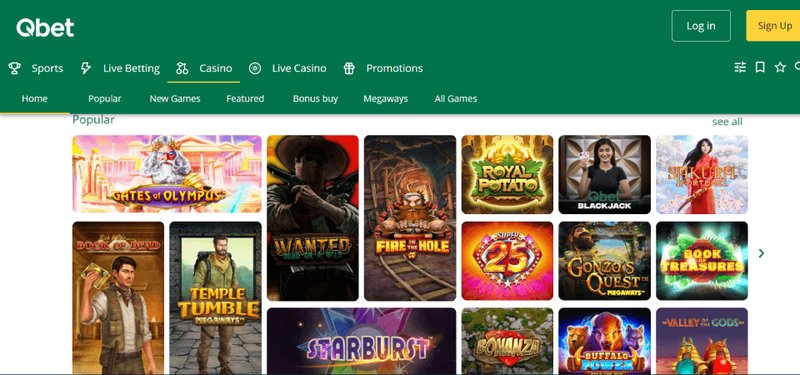
If you ever feel the city lights aren’t enough, a quick pause at an online platform can add a different kind of excitement. A few clicks on Casino Qbet can deliver the same adrenaline rush you get from a live DJ set, without leaving your hotel room.
Which City Wins for a Perfect Night Out?
My verdict: pick a city where the first drink, the food, and the transport all happen within a 2‑kilometer radius. That minimizes walking time and maximizes fun. Austin, Berlin, and Melbourne each meet that criterion, but if you value late‑night cultural experiences, Berlin’s museum nights give it an edge. For pure party energy, Austin’s bar‑to‑club pipeline wins. Whatever you choose, follow the concrete steps above, and you’ll turn any weekend into a perfectly timed adventure.
Frequently Asked Questions
What are the key factors when choosing a city for a night out?
Consider venue density, late‑night transport, and a mix of activities that keep the energy high after dark.
How important is venue clustering?
Very important—closer venues mean less travel time and more spontaneous transitions between spots.

You may also like